Menu
Travel Guide

Wildlife Viewing & Safety

Safe distances, bear safety, and a local strategy for seeing more wildlife.

Safe viewing distances
Image
Driving in Yellowstone

National Park Service rules:

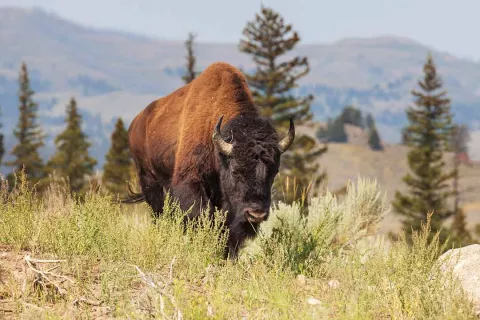
  • Stay at least 100 yards (about the length of a football field) from bears, wolves and cougars.
  • Stay at least 25 yards from all other animals, including bison and elk.
  • Never approach animals for photos.

If an animal reacts to your presence, you are too close. See the NPS safety page for more.

Bear & food safety
Image
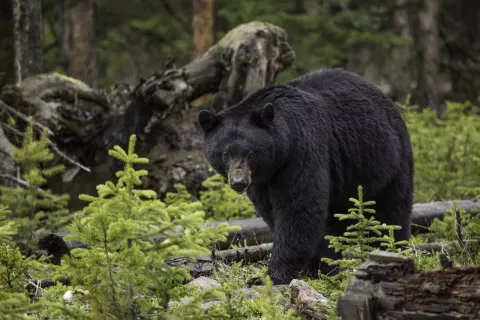
Black Bear - Shotgun, Island Park

Yellowstone and Island Park are prime bear country. Carrying bear spray is strongly recommended when you hike: keep it where you can reach it immediately, not in your pack. Store food and anything scented properly, and avoid surprising wildlife by staying aware of your surroundings.

A local strategy for seeing more wildlife

Wildlife viewing is far less about luck than most travelers realize.

  • Go early or late. Animals are most active in the cool, quiet hours of early morning and evening. At midday they rest in the shade.
  • Move slowly. Drive at a relaxed pace and scan open areas and roadside meadows.
  • Read the landscape. Look along wetlands, river corridors and shorelines, open meadows and valleys, and forest edges.
  • Think like a photographer. Great wildlife photos rarely need closeness: a zoom lens, a steady position and patience do far better.

Wildlife follows its own rhythm, not ours. The most unforgettable sightings often come when you are simply present and paying attention.

Wildlife & safety questions

What wildlife can you see in Yellowstone?
Yellowstone is home to bison, elk, grizzly bears, black bears, wolves, moose, pronghorn, bighorn sheep, bald eagles, and trumpeter swans. The Lamar Valley is often called 'America's Serengeti' for its extraordinary concentration of large mammals.
Where is the best place to see wildlife in Yellowstone?
Lamar Valley offers the best wildlife viewing, especially for wolves, bison, and bears. Hayden Valley is excellent for bison and grizzly bears. Both are best visited at dawn or dusk.
What is the best time of day to see wildlife?
Early morning and late evening are ideal. Animals are most active around sunrise and sunset, and you will have significantly fewer people competing for pullout space.
How close can you get to bison in Yellowstone?
Park regulations require a minimum distance of 25 yards from bison and elk, and at least 100 yards from bears and wolves. Bison injure more visitors than any other animal — they can sprint at 35 mph and are completely unpredictable.
Are there grizzly bears in Yellowstone?
Yes. Yellowstone supports one of the most robust grizzly bear populations in the lower 48 states, with over 700 grizzlies in the Greater Yellowstone Ecosystem.
Do you need bear spray in Yellowstone?
Bear spray is strongly recommended for all hikers. Studies show it is more effective than firearms in stopping a bear attack. You can purchase or rent bear spray in Island Park and West Yellowstone.
What should you do if you encounter a bear?
Stay calm and do not run. Speak in a calm low voice, make yourself appear larger, and back away slowly. If a grizzly charges, deploy bear spray and play dead. If a black bear attacks, fight back aggressively.
What is a bison jam?
A bison jam is a traffic backup caused by bison walking on or crossing park roads. Stay in your vehicle, turn off the engine, and enjoy the moment. Never honk or attempt to hurry the animals.
Can you hike alone in Yellowstone?
You can, but hiking with at least one other person is strongly recommended. Always carry bear spray, tell someone your plan, and stay on marked trails. Cell service is unreliable throughout most of the park.
Is it safe to walk on the thermal boardwalks?
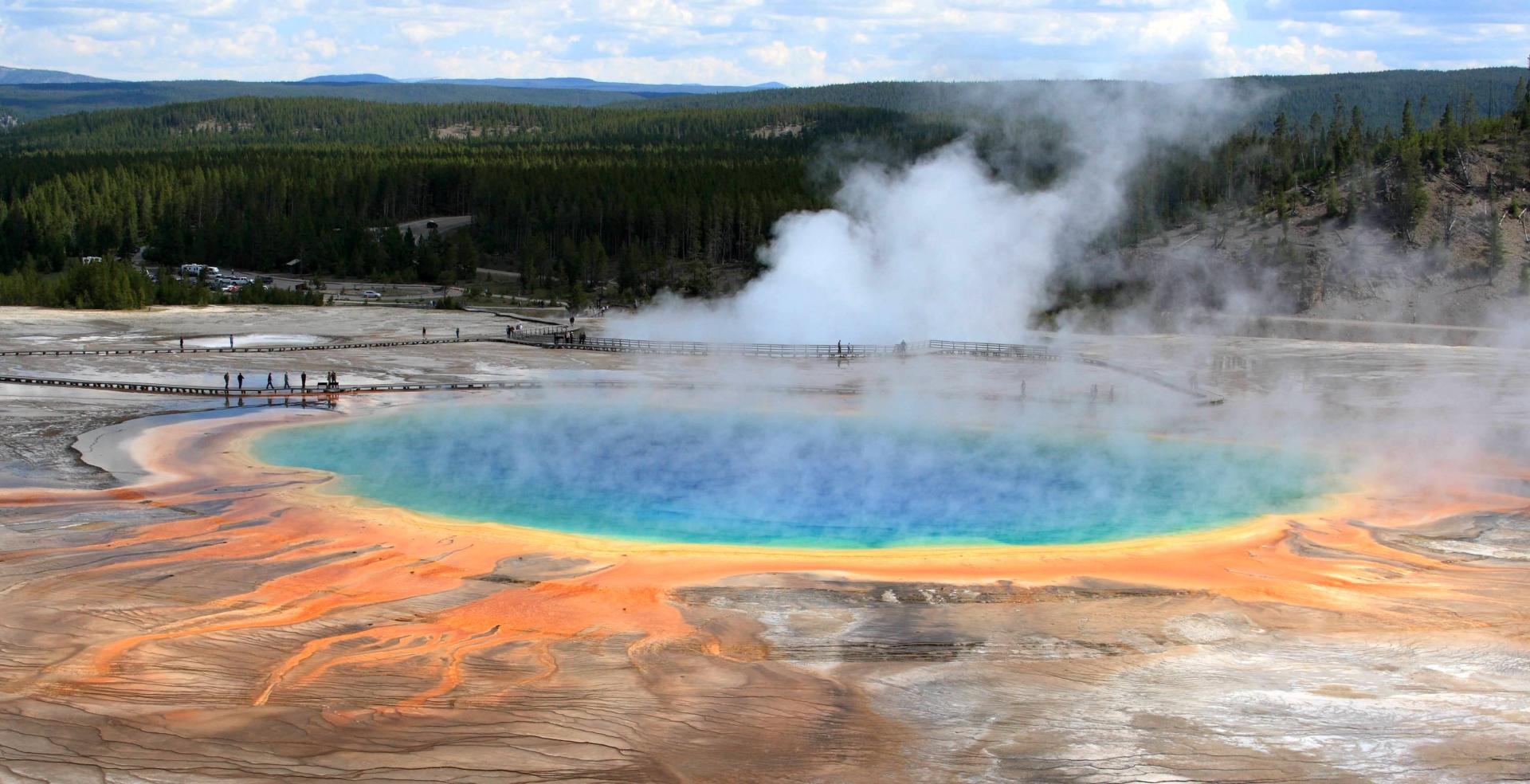
Yes — when you stay on the designated boardwalks. The thermal crust surrounding geysers and hot springs can be paper thin with scalding water just inches below the surface. Always follow posted signs and keep children supervised.
Can you see wolves in Yellowstone?
Yes, though sightings are never guaranteed. The Lamar Valley offers the best wolf-watching in the lower 48, and winter is the prime season when wolves are more visible against the snow.
Are there moose near Island Park?
Absolutely. Moose are regularly seen along the Henry's Fork River, in willow flats, and near stream corridors throughout Island Park. Early morning drives along Highway 20 frequently produce moose sightings.
What is the best season for wildlife viewing in Yellowstone?
Spring (May–June) is exceptional for newborn animals. Fall (September–October) brings the elk rut. Winter offers outstanding wolf and bison viewing with a stunning snow backdrop.
Is Yellowstone safe for children?
Yes, with proper adult supervision. Stay on boardwalks near thermal features, maintain required distances from wildlife, and supervise children near canyon edges and waterways.
What should I do if I get caught in a wildlife traffic jam?
Turn off your engine and enjoy the experience. Wildlife jams can last from a few minutes to an hour or more. Never honk, exit your vehicle to photograph from the road, or attempt to drive around animals.
Are there venomous snakes in the Island Park or Yellowstone area?
Prairie rattlesnakes exist in lower elevation areas of Yellowstone. They are rarely encountered in Island Park due to the higher elevation. When hiking, watch where you step and never reach into rock crevices without looking.

Stay where the wildlife is

Wake up in the trees, minutes from the park.

More guides
Guide

Island Park

The springs, falls, rivers and lakes that make Island Park home.

Guide

Yellowstone

The park's highlights most within reach from Island Park and the West Entrance.

Guide

Seasons & What to Pack

Layers, spring snow and summer storms: what to expect each season, and what to bring.

(208) 558-9675 Book Now