
A Land Born of Fire
The ancient story beneath Island Park: supereruptions, calderas and clear springs.
Two great eruptions
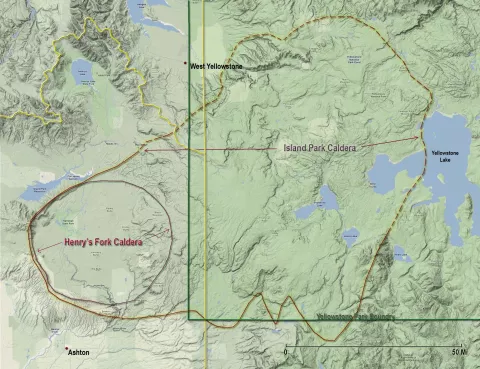
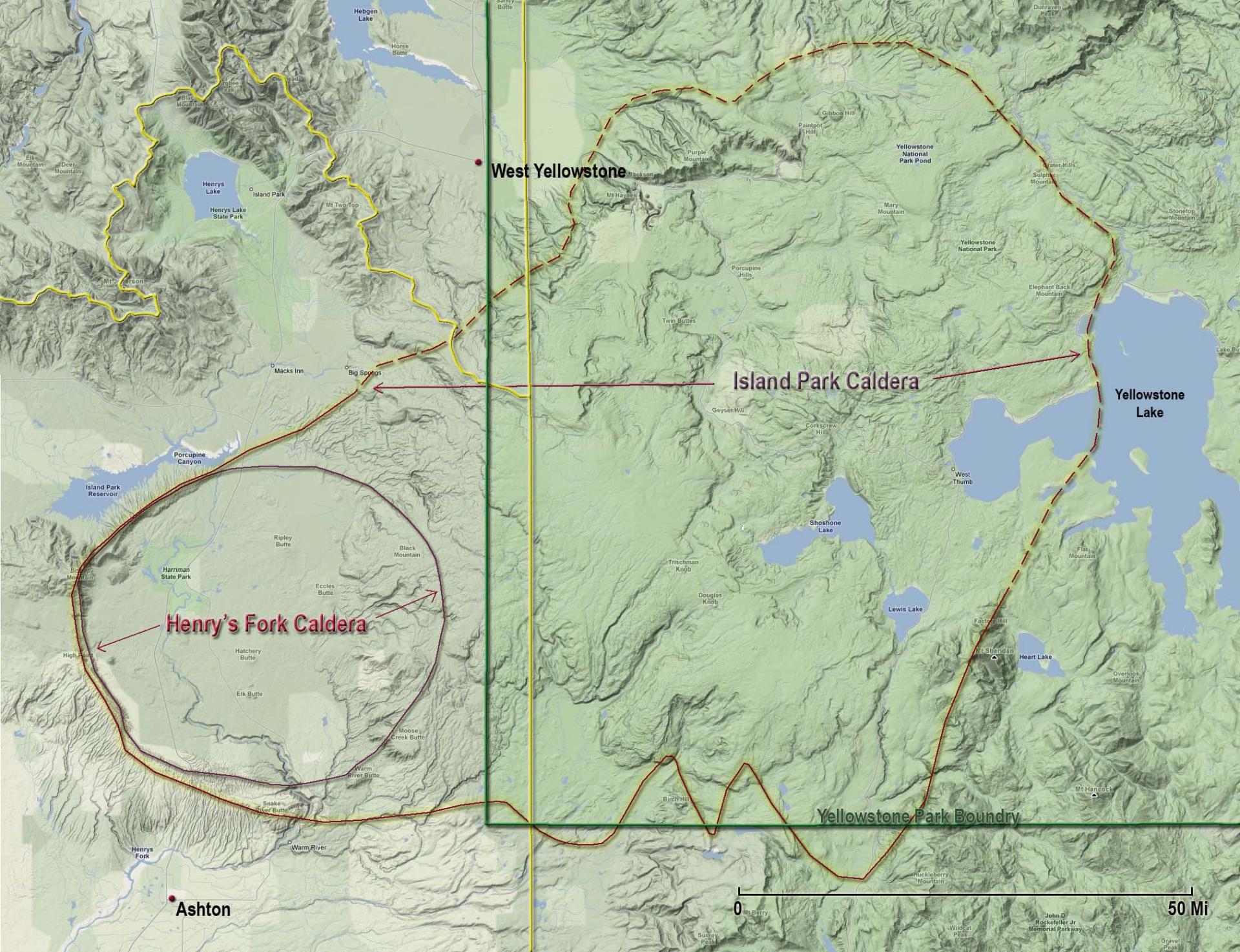
About 2.1 million years ago, a supereruption from the Yellowstone hotspot reshaped this entire region. It released an enormous volume of ash and molten rock, about 2,450 cubic kilometers by the U.S. Geological Survey's estimate, and formed what geologists call the Island Park Caldera, the largest of the calderas on the Yellowstone Plateau. That eruption laid down the Huckleberry Ridge Tuff, a thick layer of hardened volcanic ash that still lies beneath much of the landscape today.
About 1.3 million years ago another major eruption formed the Henry's Fork Caldera, which lies between Ashton and Island Park. Drive north on US-20 and you cross its rim.
Why it still matters today
Their influence is everywhere: the wide, open valley that defines Island Park; the abundance of clear rivers, springs and lakes; and the ground that supports the forests, the wildlife and world-class fishing.
A place shaped over time
Island Park is not just a destination; it is a place with deep roots in Earth's history. Standing here, it is humbling to realize that these peaceful forests and flowing rivers were born from forces almost impossible to imagine. That sense of time, slow, powerful and enduring, is part of what makes Island Park feel so special.
Geology questions
What is the Yellowstone supervolcano?
Places in this guide
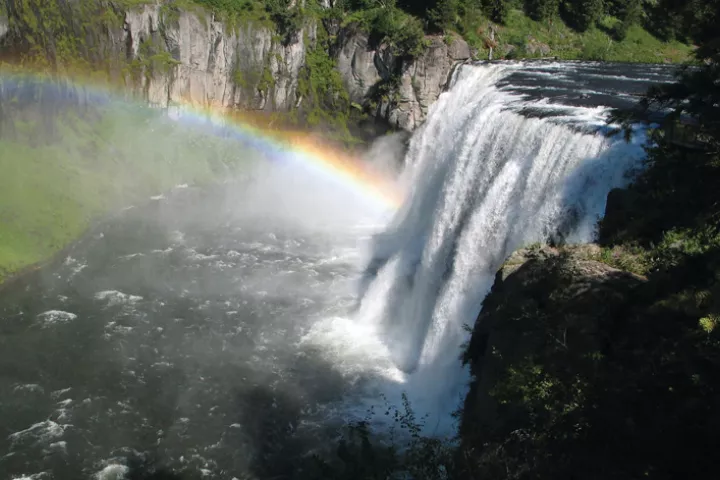
Sleep on top of a supervolcano
Cabins in the heart of the caldera.
More guides
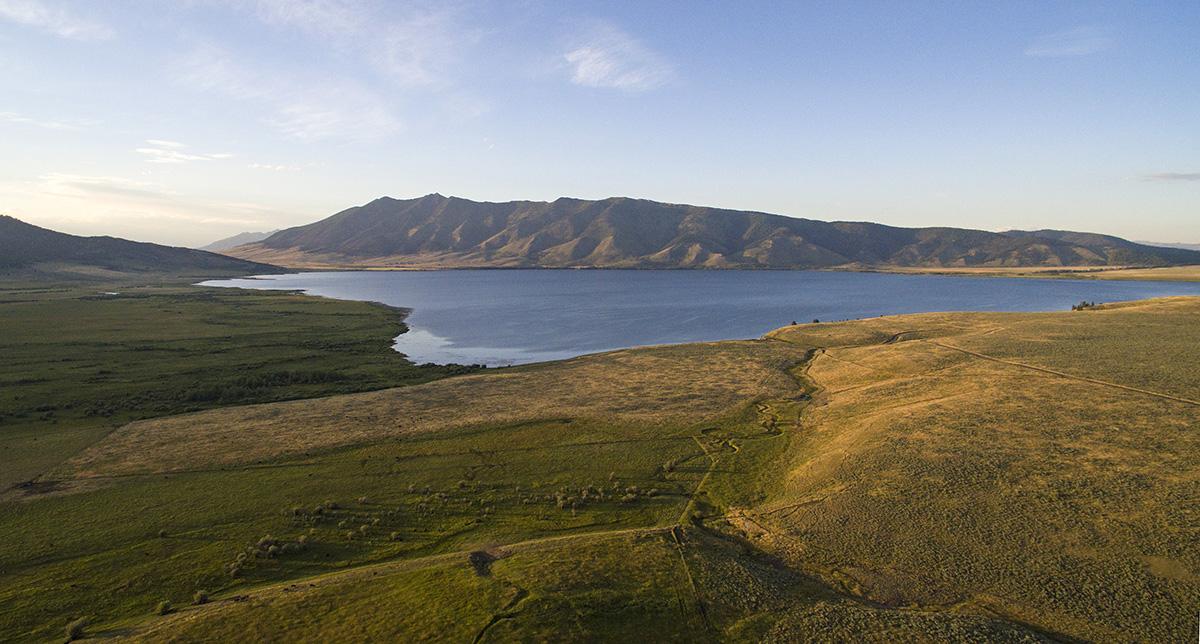
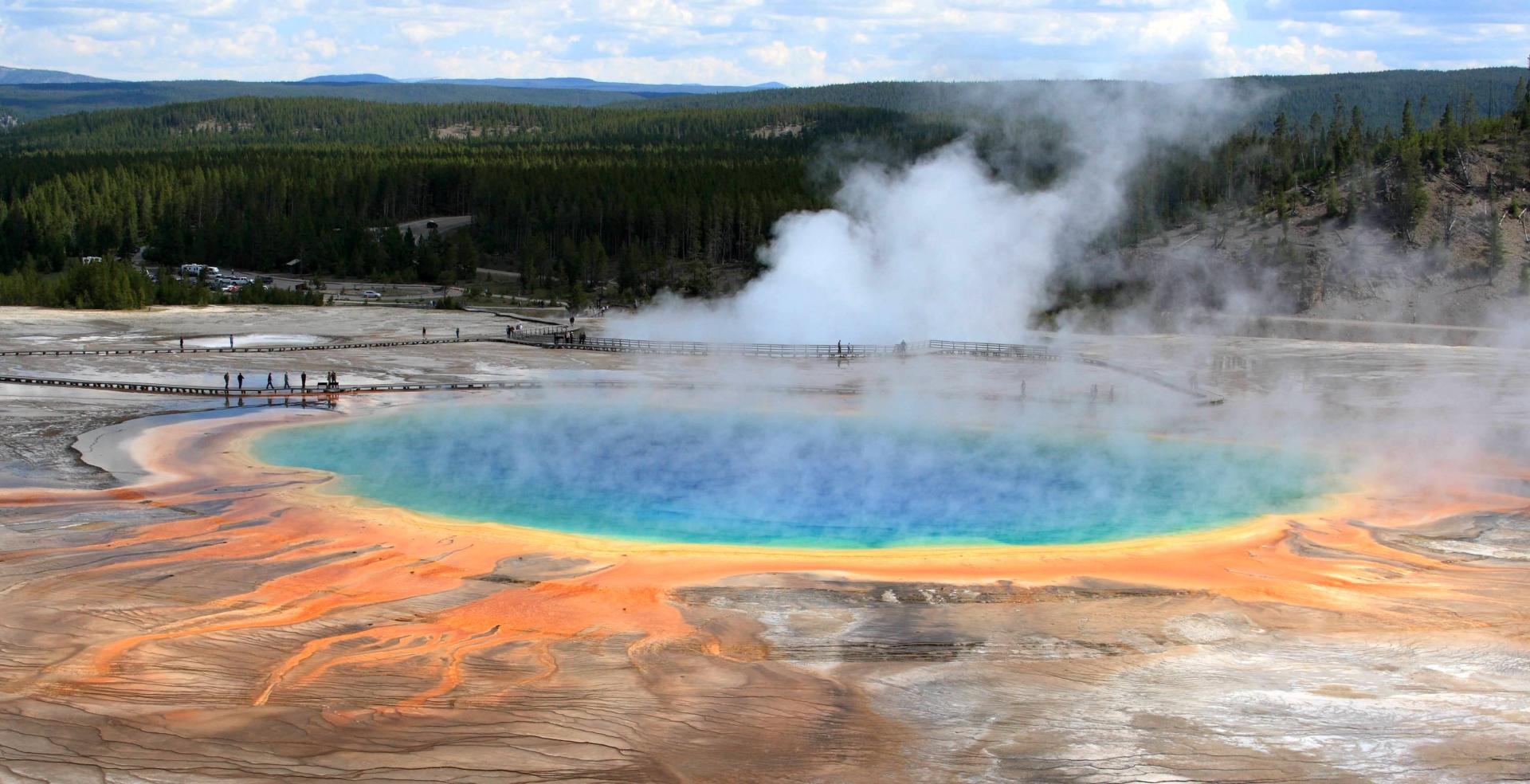
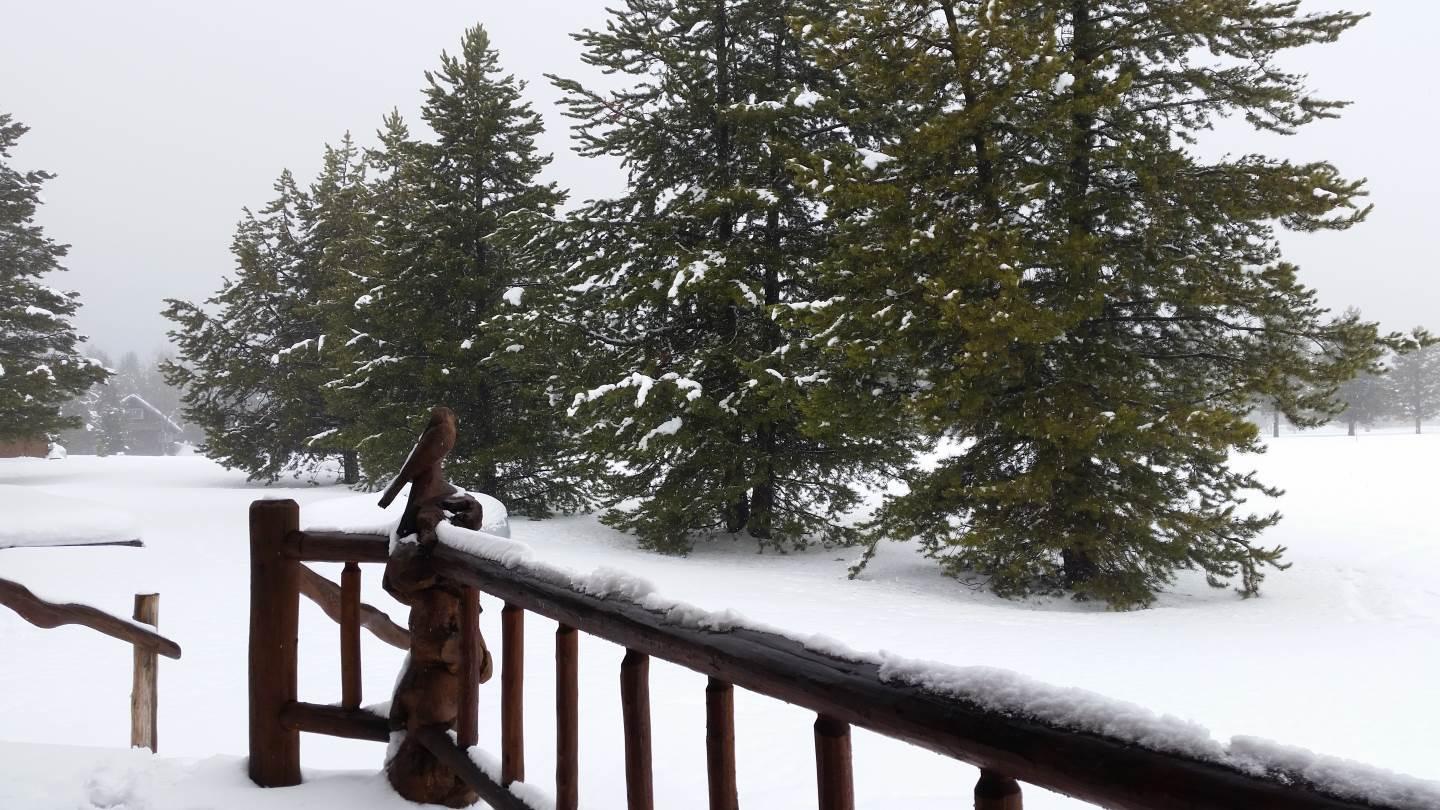
Seasons & What to Pack
Layers, spring snow and summer storms: what to expect each season, and what to bring.